
Journal
Ideas, tools & the work
Notes from the studio on CGI, mixed reality, AI and the visual culture our films live in.
 The NYX giant inflatable duck: a real inflatable, a CGI landing and a QR code
How we built a NYX campaign around a giant inflatable duck: a real inflatable on the street, a CGI film of it flown in by helicopter, and a QR code linking both.
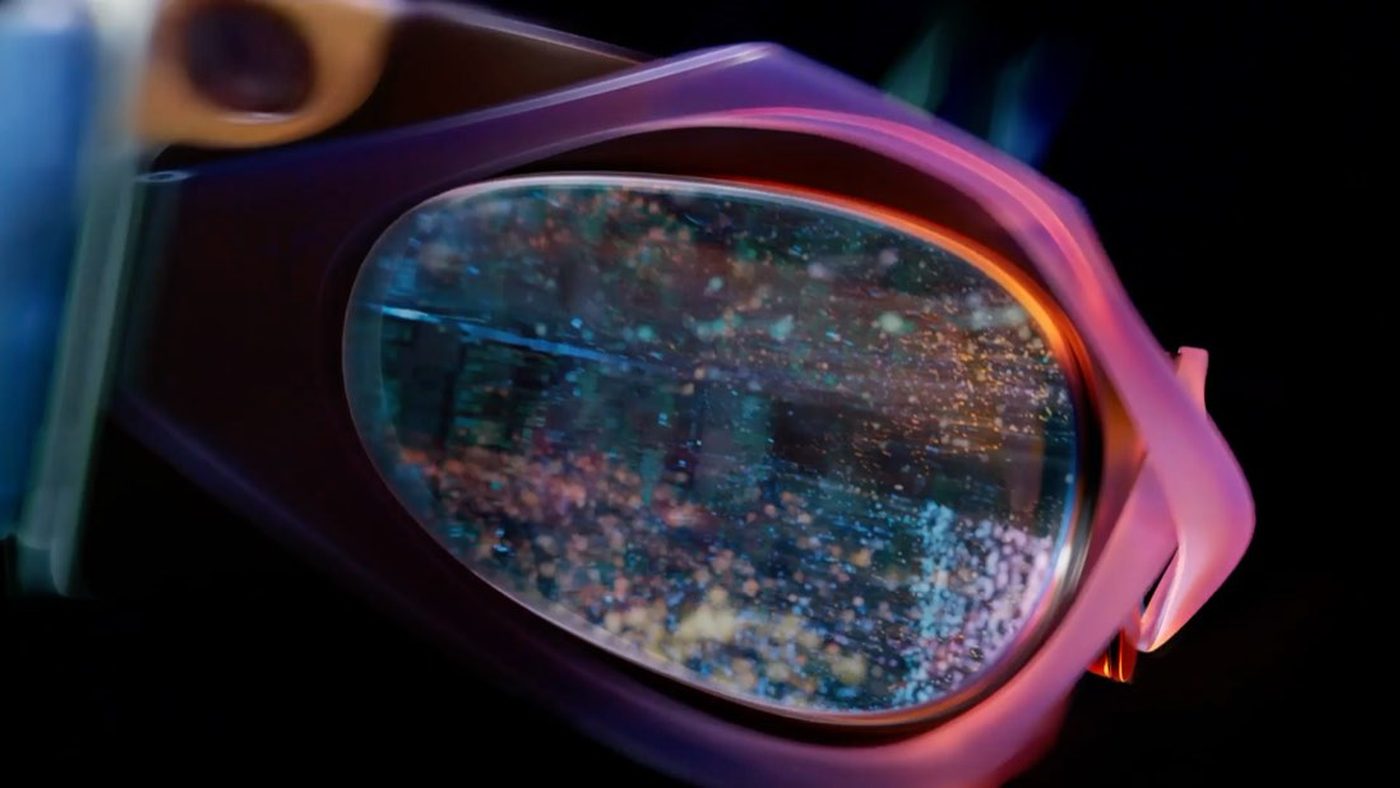 How to choose a CGI studio (and what to ask before you sign)
Every CGI studio's reel looks good at reel speed. Here is how to tell which one will actually deliver your product film: the questions to ask, the files to request, the red flags, and what a fair quote should contain.
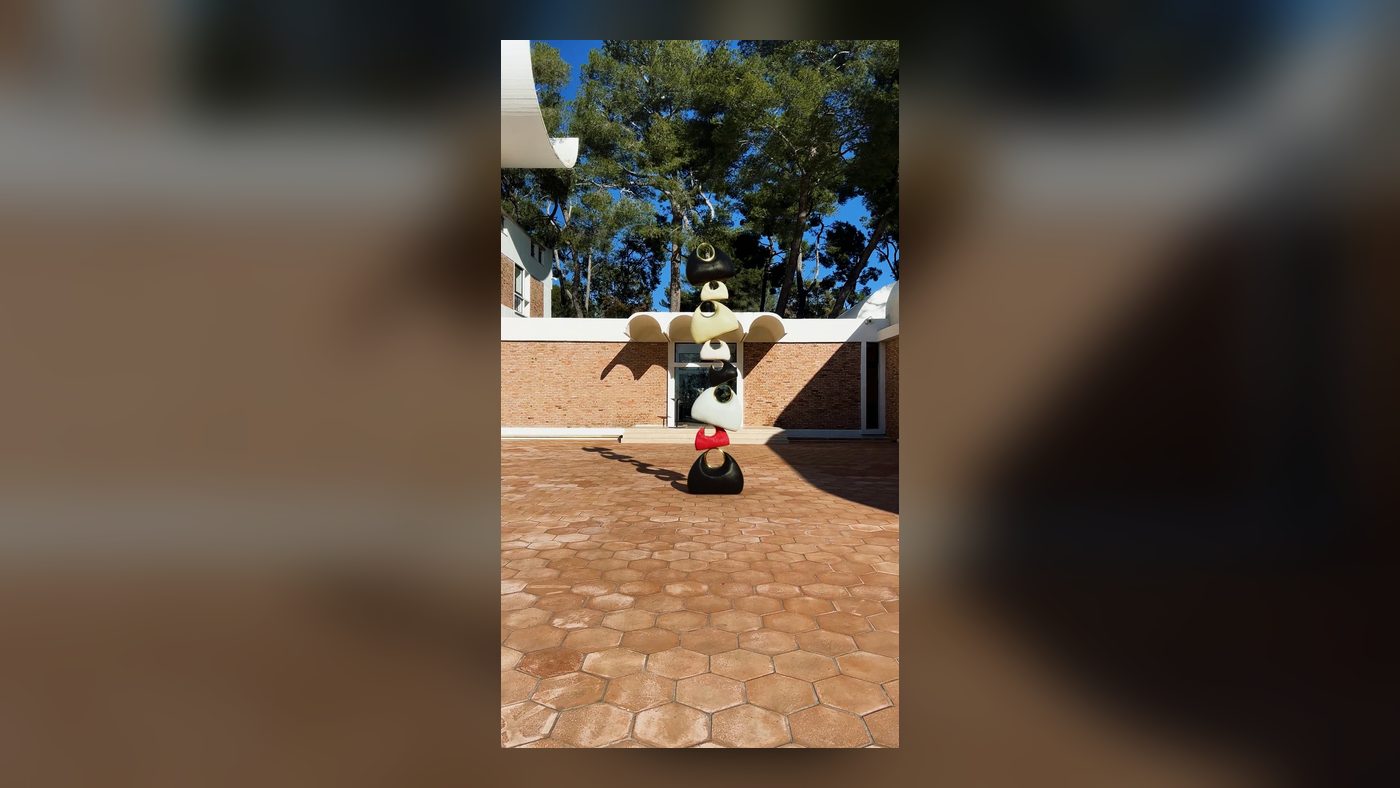 What is FOOH? Mixed reality CGI, explained for brands
FOOH, fake out of home, is the format where a giant product appears on a real street and nobody can tell it was never there. How it is made, why it travels, what it costs compared with a real installation, and when not to use it.
 AI UGC vs real UGC: what brands should actually buy in 2026
Generated creators are cheaper, faster and available in every language. Real creators are trusted. Here is how we decide which to use for a campaign, where CGI fits in the middle, and how to label AI content without killing performance.
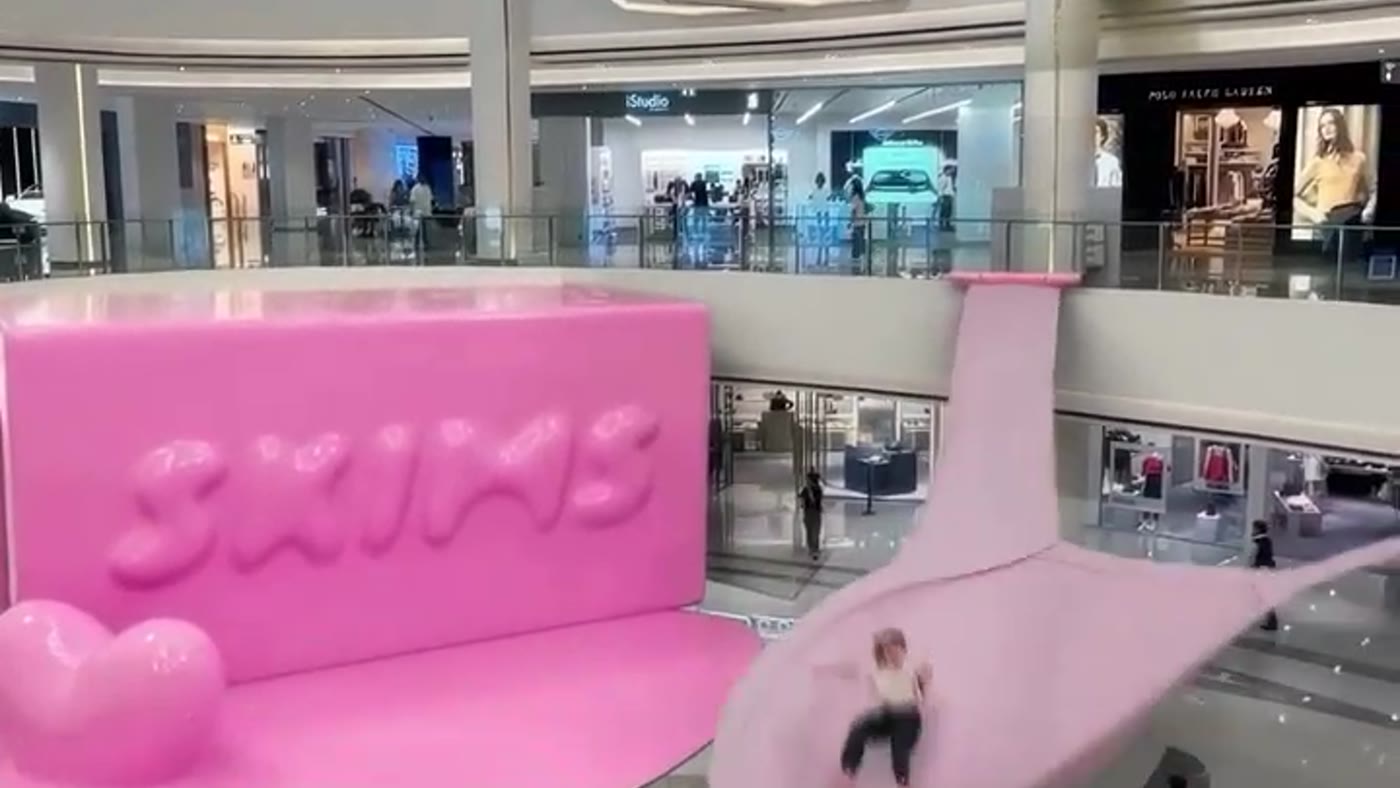 Inflatable marketing: how to build a whole campaign around a giant inflatable
A giant inflatable stops a mall, a street or a festival crowd, but the films of it are what travel. How brands plan inflatable installations, why the CGI film should exist before the inflatable does, and how one physical moment becomes a full campaign.
 How naked-eye 3D DOOH actually works
The billboard that seems to spill into the street is an old trick, anamorphosis, on a very new screen. What makes it work, why it only works from one spot, what to ask the media owner for, and why the social cut matters more than the screen.
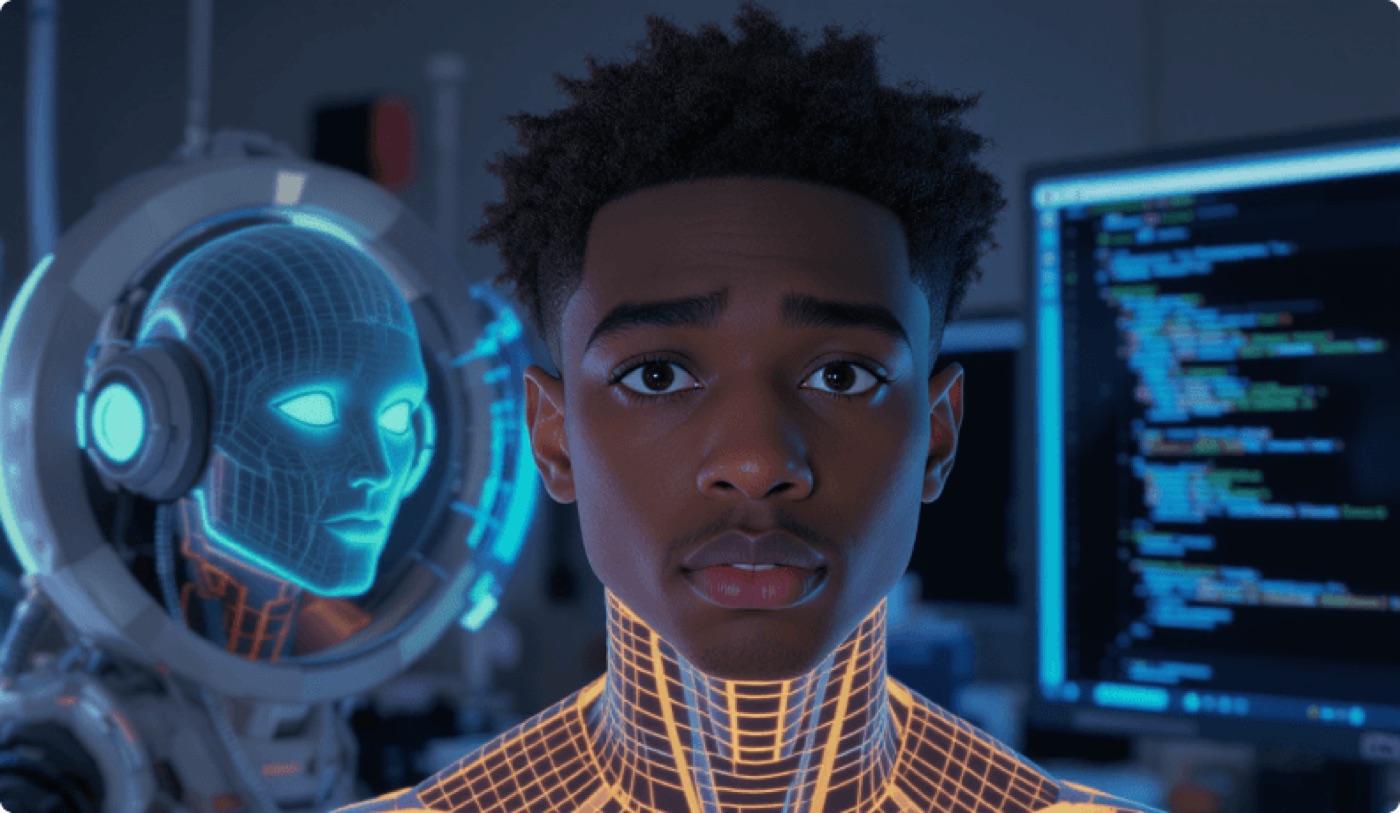 What Will Shape The Future Of CGI
CGI isn’t just for movies anymore - it’s becoming the engine behind fast, flexible content that fits the pace of online culture. With AI speeding up workflows and remote teams collaborating across time zones, studios like WHY CGI are redefining how ideas turn into visuals. The future of CGI is all about speed, creativity and cultural relevance.
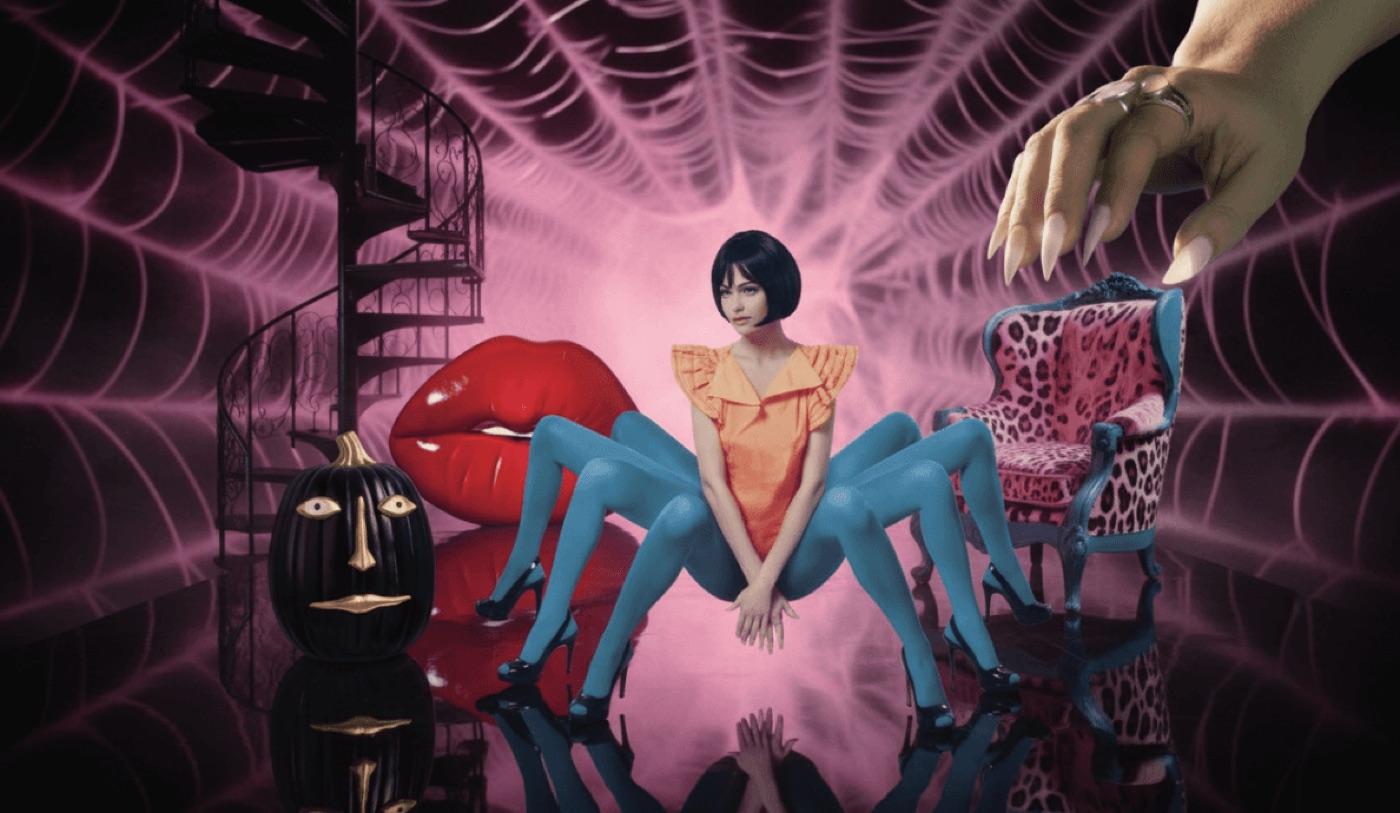 Case Study: Betsey Johnson
A bold Halloween campaign for Betsey Johnson, brought to life through two standout videos. From a Sabrina-inspired mixed reality haunted handbag to Tim Burton-style full CGI ghost sneakers, we kept the products front and center with unforgettable visuals.
 AI vs. Full CGI vs. Mixed Reality
Not all CGI works the same way. Let's look into the real differences between AI-generated ads, Full CGI and Mixed Reality — and when each one makes sense for brands today.
 Designing for the Scroll
Social media is a creative ecosystem these days. To stand out, brands must move with culture - building workflows that allow creativity to happen faster, teams that feel human and communities that grow together. To stop the scroll, you don’t need to shout louder. You need to speak in the language of today’s culture.
 Case Study: Guinness
At WHY CGI, we believe viral success is never by chance. It’s built on storytelling instincts, technical precision and understanding what makes people feel something, even for just a few seconds. Our Guinness project is one of the best examples of that formula in action.
 Why Visual Speed Is the New Key
The brands that thrive in this era won’t be the ones with the glossiest campaigns planned months in advance. They’ll be the ones with the fastest reflexes, the boldest metaphors and the ability to translate culture into visuals at tempo.
 Case Study: SKIMS
The SKIMS bra jump is a perfect example of what happens when spontaneous inspiration meets disciplined CGI craft. A simple, funny idea turned into a viral hit - proof that with the right vision, even everyday objects can become the stage for extraordinary stories.
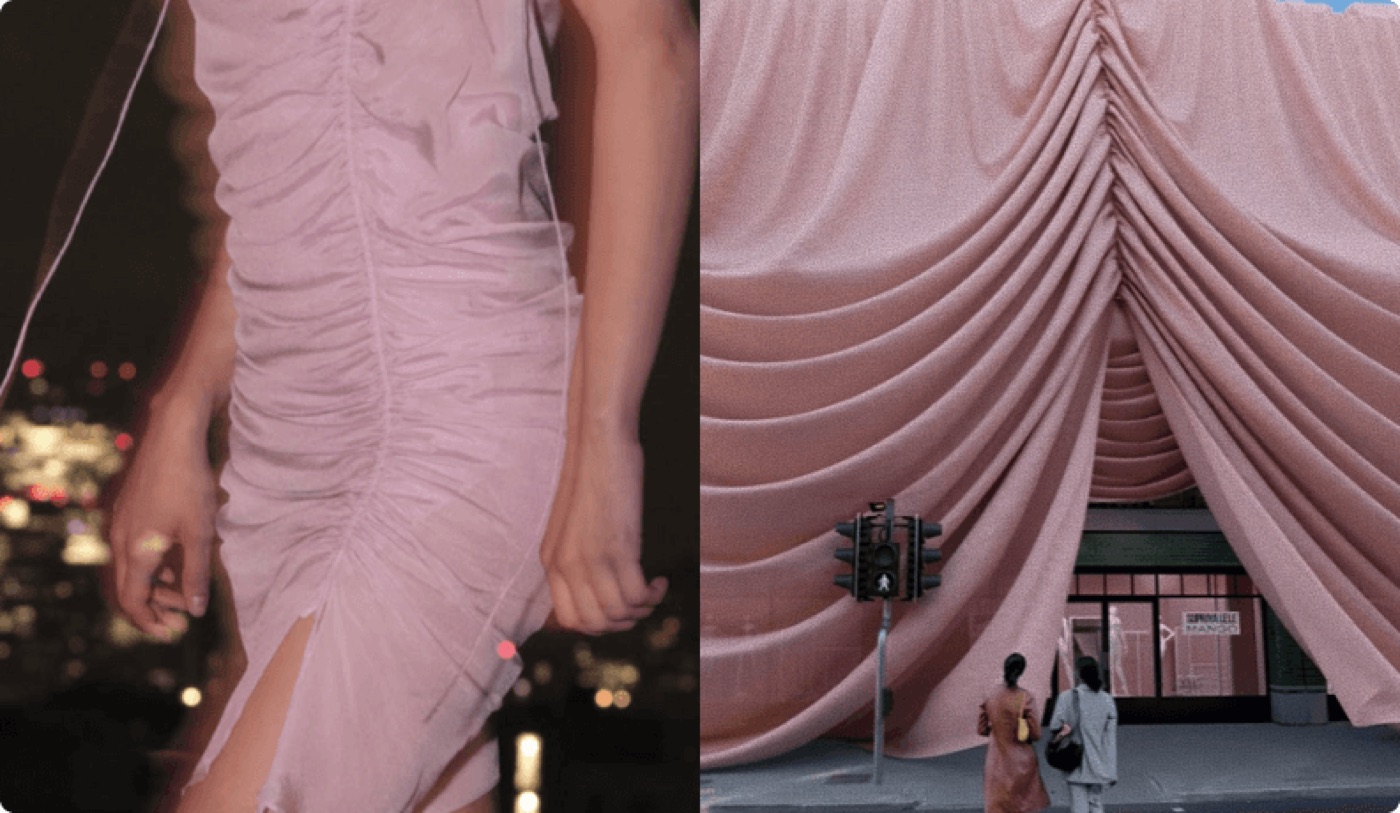 How WHY CGI's production pipeline works
In the world of CGI and mixed reality, the final 15-second video you see on your feed - often surreal, immersive and impossible to ignore - represents the result of a highly structured and collaborative creative process.
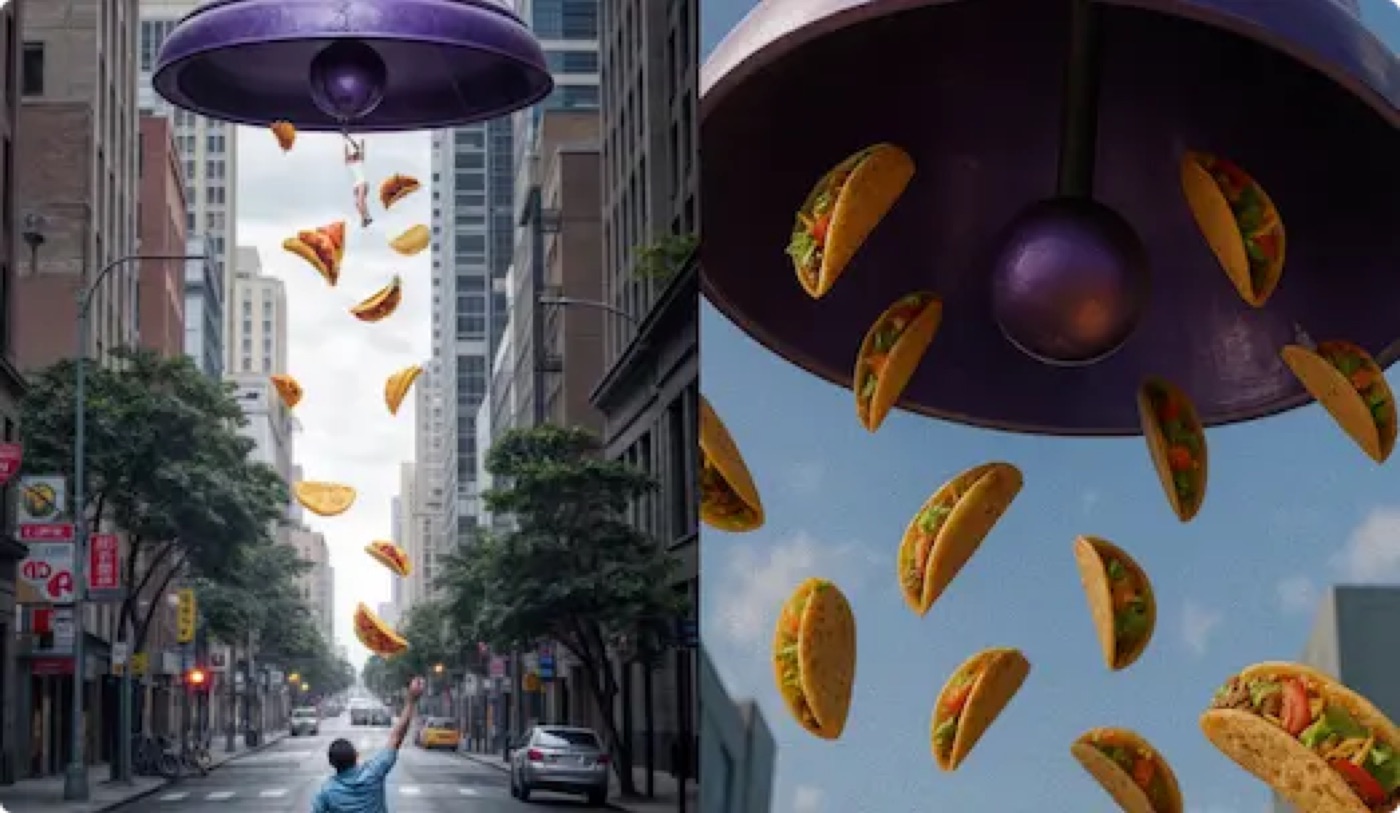 AI Supports Creativity, Not Replaces It
At WHY CGI, we are combining human intuition with AI tools. We prototype, localize and scale campaigns at record speed while keeping every project visually sharp and emotionally true. The future of creativity isn’t human or machine - it’s the two working together.