
Guides
Inflatable marketing: how to build a whole campaign around a giant inflatable
A giant inflatable stops a mall, a street or a festival crowd, but the films of it are what travel. How brands plan inflatable installations, why the CGI film should exist before the inflatable does, and how one physical moment becomes a full campaign.
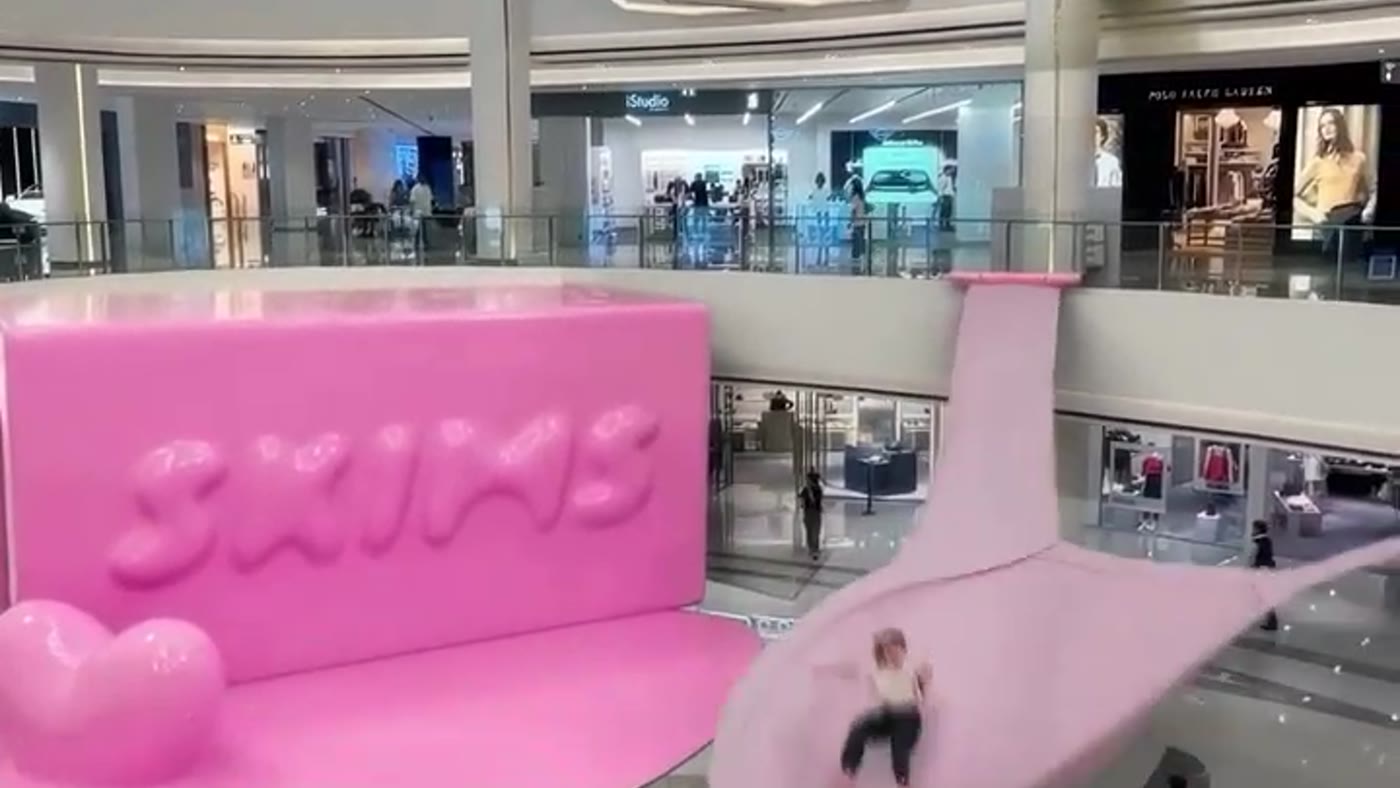
A giant inflatable is one of the fastest ways to stop people in a real place. A branded shape ten metres tall in a mall atrium, on a rooftop or at a festival gate gets photographed, filmed and shared by the people standing under it. But the crowd on the day is the smallest audience the installation will ever have. The real audience is everyone who sees the films of it, which is why we plan inflatable installations as campaigns, not as objects.
Start with the location, not the shape
The site decides almost everything: how big the inflatable can be, how it is anchored, how long installation takes, where people will stand and where the best camera angle is. A shape that looks right on a moodboard can disappear in a busy atrium or fight a skyline. So the first step is the place, then the idea that belongs in it.
Design it in 3D first
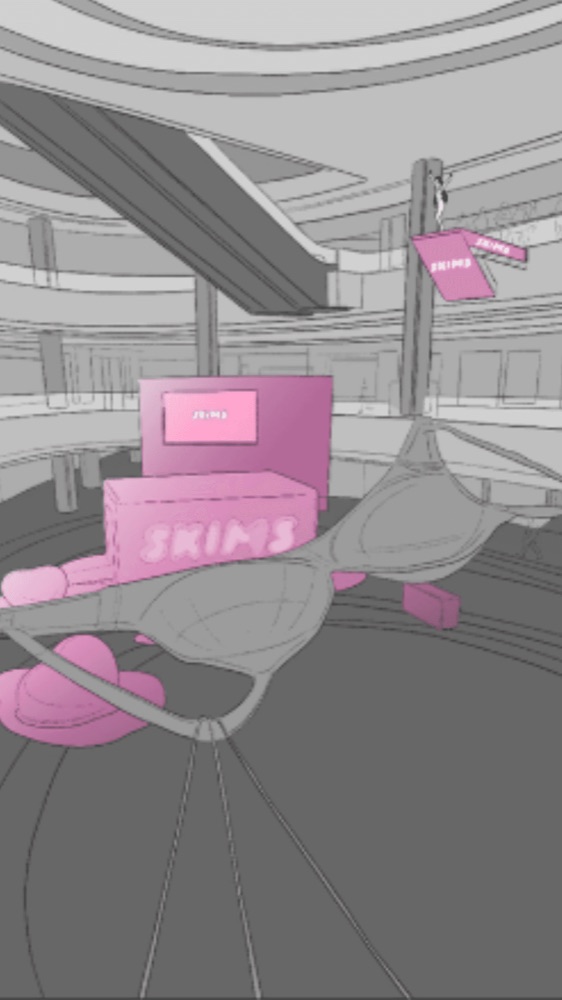
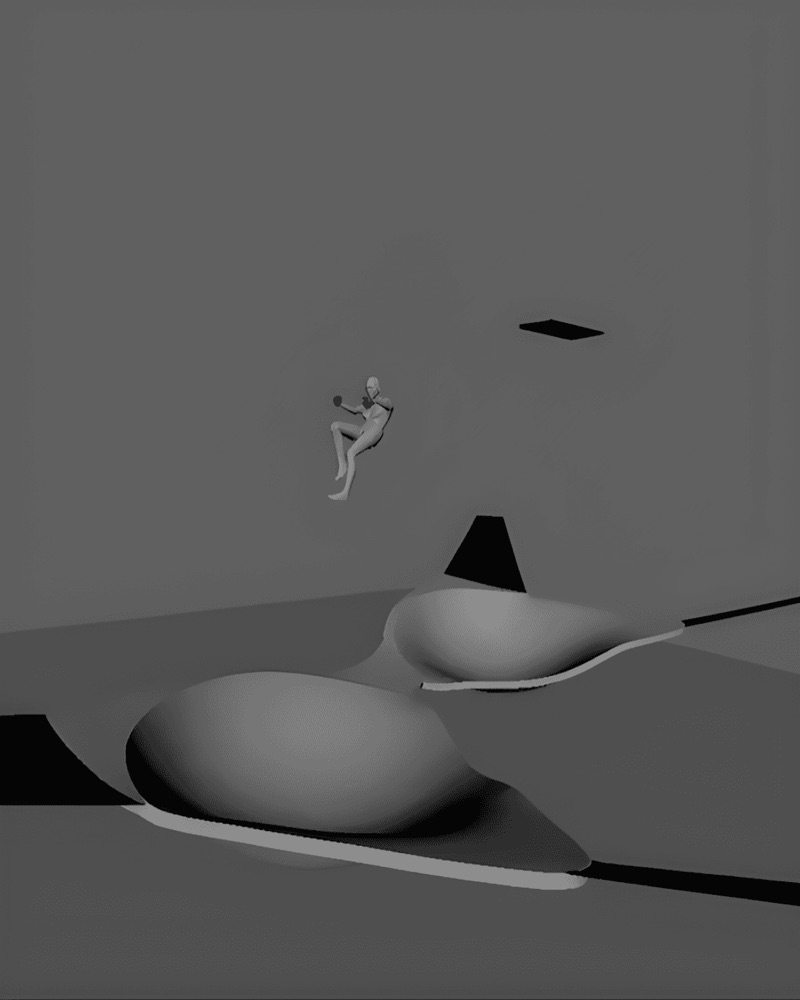
We design the inflatable as a 3D model: the brand's product, logo or character, scaled to the site. That one model does two jobs. It is the reference for the build, and it is the CGI asset for every film. Nothing gets designed twice, and the inflatable in the launch film matches the one that goes up.
Make the film before the inflatable exists
This is the part most inflatable campaigns miss. Building and installing a giant inflatable takes time, and the campaign usually waits for it. We do the opposite: we film the real location and place the CGI inflatable into that footage, so the teaser, the reveal film and the social cutdowns are finished before the build is. On launch day the content is ready to post the moment the installation goes up, instead of weeks later.
One physical moment, many cities
An inflatable can only stand in one place at a time. Its CGI version can stand anywhere. The same 3D model can be placed into footage of other cities and markets, so the campaign runs on social where nothing was built. That is the same approach behind our mixed-reality work for brands like SKIMS, NYX and Gisou, where a giant object in a real city became the story.
What to prepare before you brief
The location or shortlist of locations, the dates the installation should be up, the brand assets for the shape, and where the campaign will run: which markets, which channels, which formats. With that we can design the inflatable, plan the build and scope the films as one production. Our inflatable installations page has the details and the work.
More to read
Keep reading.
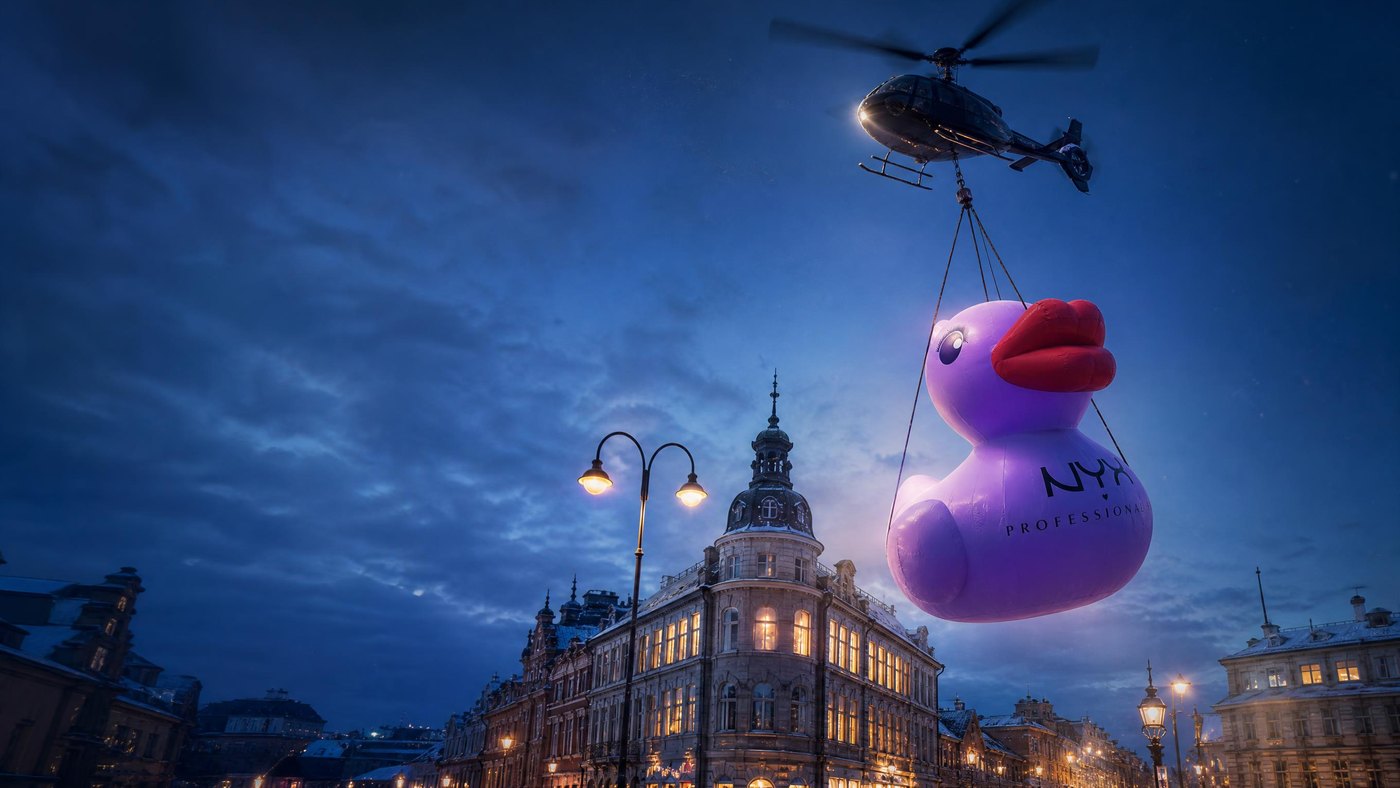 The NYX giant inflatable duck: a real inflatable, a CGI landing and a QR code
How we built a NYX campaign around a giant inflatable duck: a real inflatable on the street, a CGI film of it flown in by helicopter, and a QR code linking both.
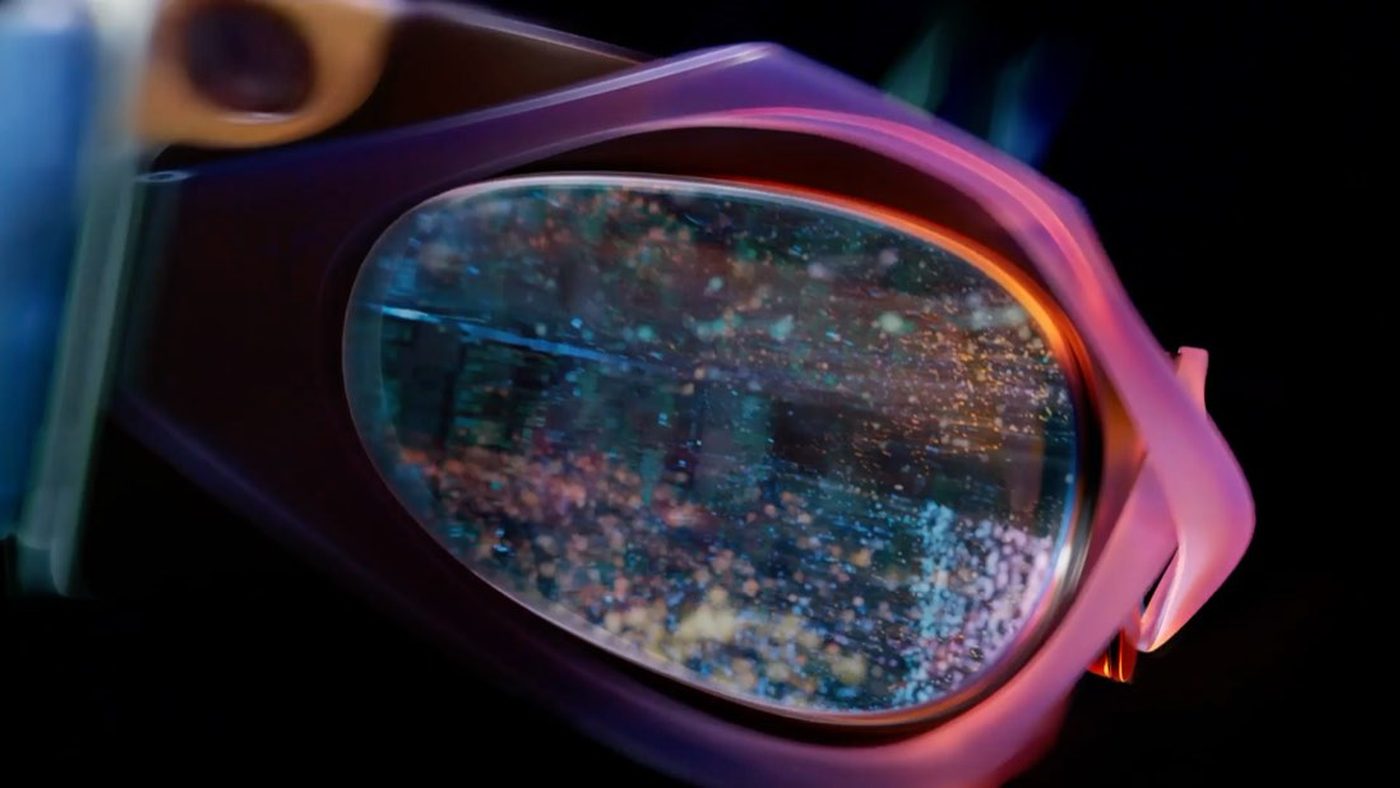 How to choose a CGI studio (and what to ask before you sign)
Every CGI studio's reel looks good at reel speed. Here is how to tell which one will actually deliver your product film: the questions to ask, the files to request, the red flags, and what a fair quote should contain.
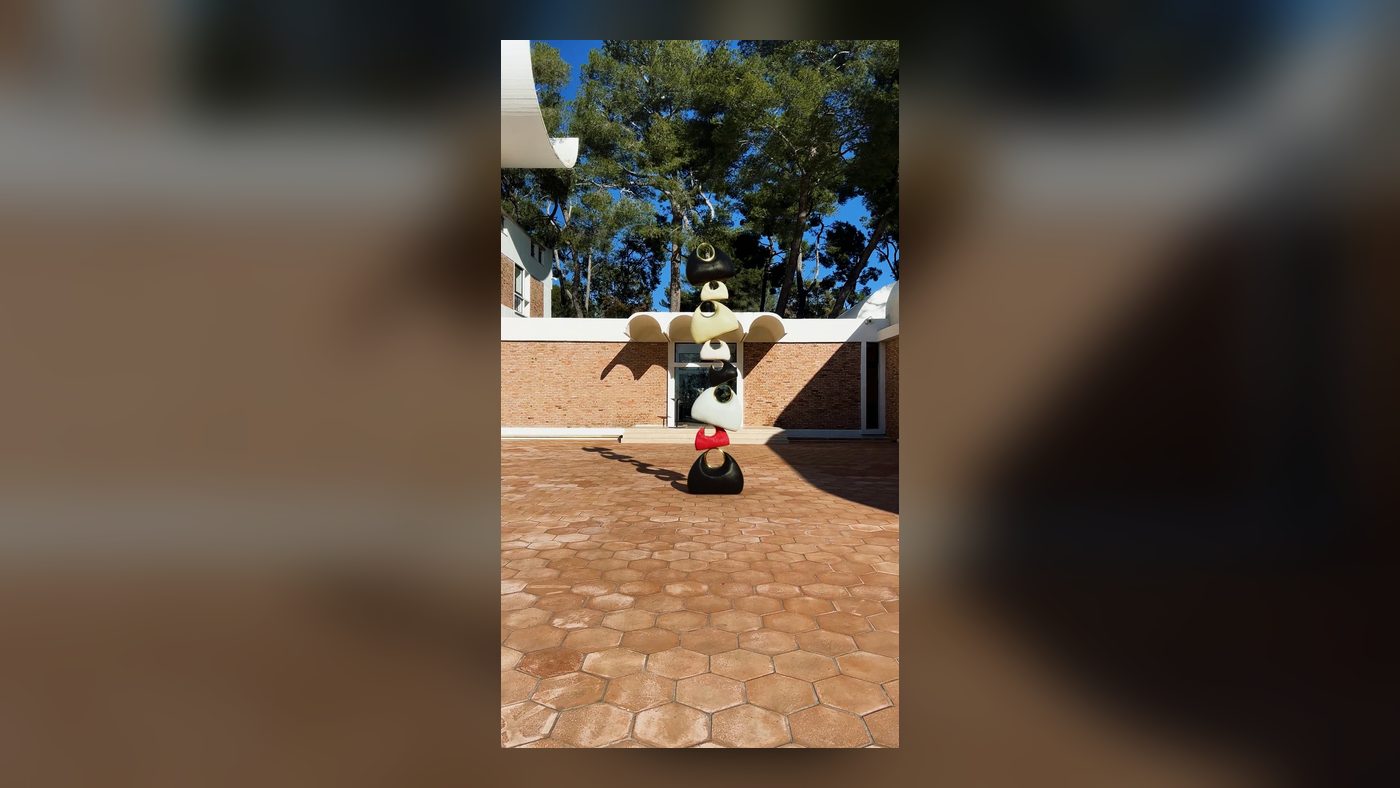 What is FOOH? Mixed reality CGI, explained for brands
FOOH, fake out of home, is the format where a giant product appears on a real street and nobody can tell it was never there. How it is made, why it travels, what it costs compared with a real installation, and when not to use it.