
Explainers
What is FOOH? Mixed reality CGI, explained for brands
FOOH, fake out of home, is the format where a giant product appears on a real street and nobody can tell it was never there. How it is made, why it travels, what it costs compared with a real installation, and when not to use it.
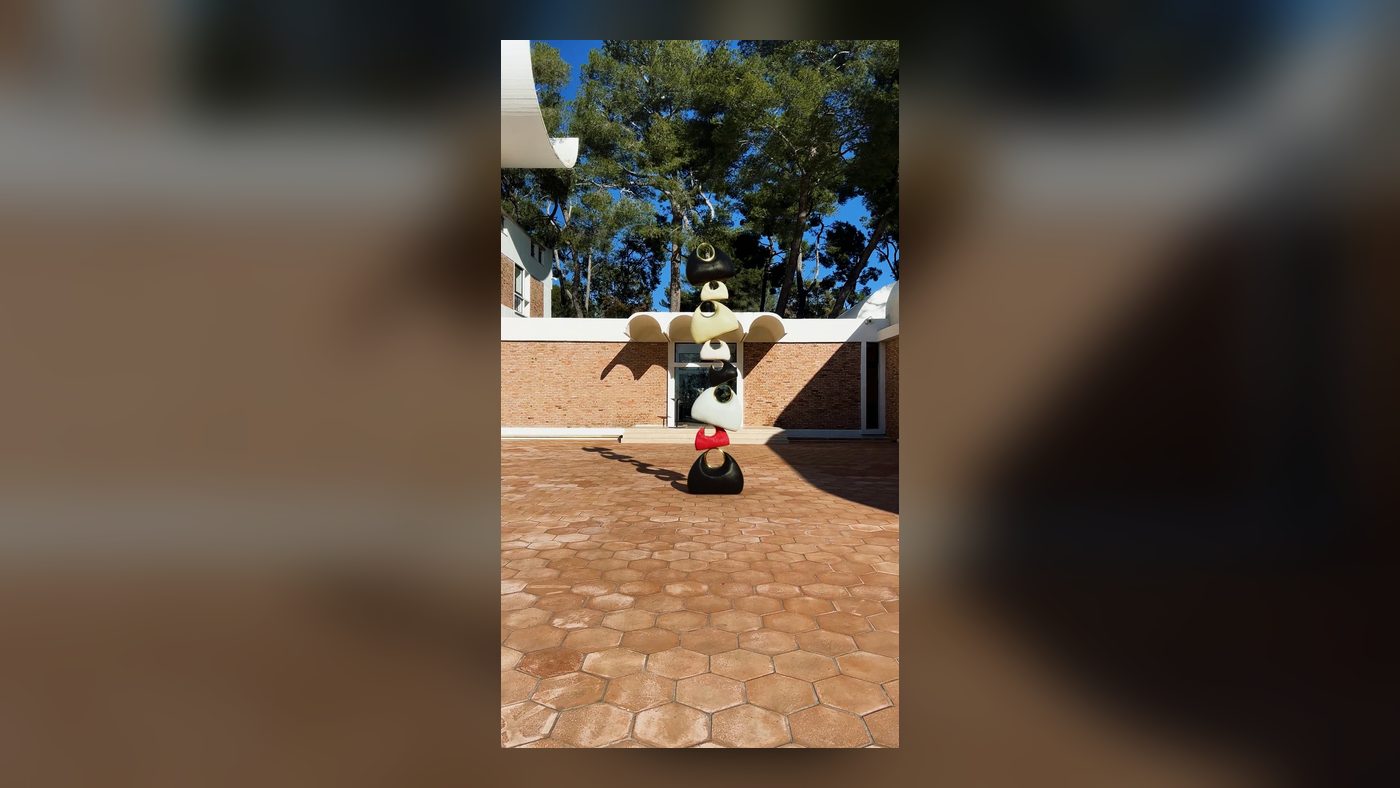
You have seen it: a handbag the size of a bus driving through Paris, a mascara wand on the side of a London tube, a sneaker walking through a city. FOOH stands for fake out of home. It looks like an out-of-home installation, a billboard or a stunt, but it only exists in the video. Mixed reality is the broader name for the same technique: real footage with a computer-generated object composited into it.
How a FOOH film is made
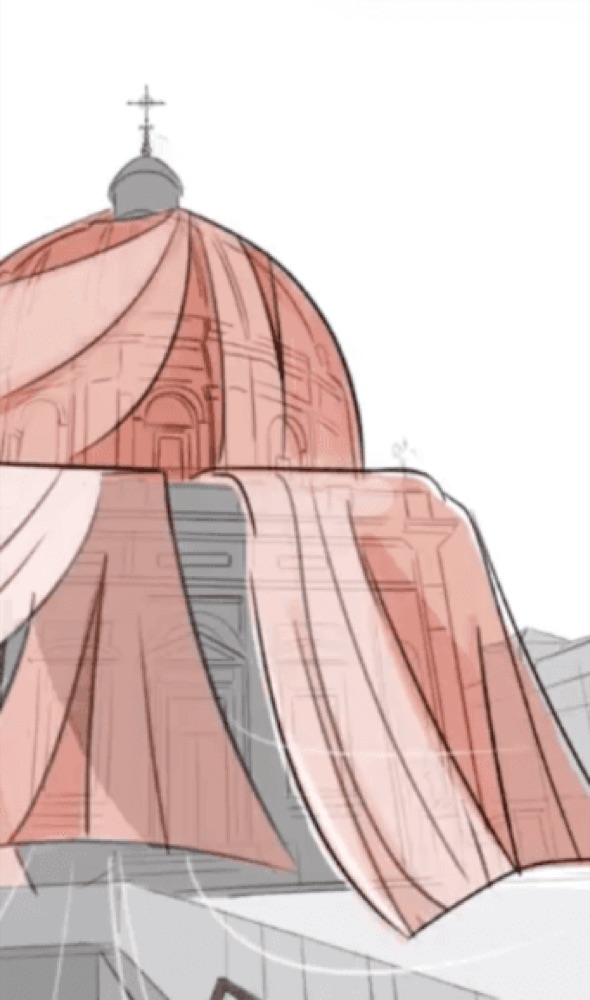
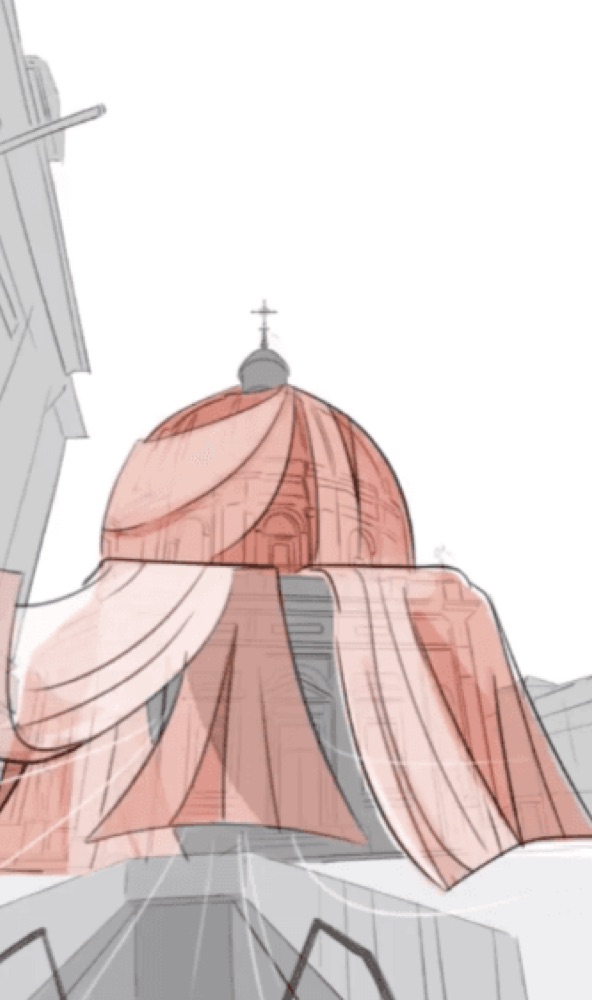
It starts with a plate: real footage of the location, shot on the ground or licensed. The plate is camera-tracked so the software knows exactly how the camera moved. The product is built in 3D, placed in the tracked scene, and lit to match the plate, including shadows on the ground, reflections in windows and the grime on the lens. Then it is composited, graded and cut for the feed. The whole trick is that the CGI object obeys the physics of the footage; the moment it floats or lights wrongly, the illusion is over.
Why it travels
Two reasons. It is surprising in a medium that has run out of surprises, and it invites argument. People tag friends to ask whether it is real. That comment thread is distribution the brand did not pay for. Our mixed-reality films for brands like Jacquemus, SKIMS, Dior, adidas and Maybelline are the deepest part of our library because the format keeps working.
FOOH versus a real installation
A real stunt needs permits, engineering, insurance, a build crew and a location fee, and it happens once. A FOOH film needs a plate and a CGI team, can be revised, and can be made for a city the brand has no presence in. It is usually a fraction of the cost, and it is faster. What it cannot do is put a physical object in front of a physical crowd, so if the idea is a launch event, you may want both: the real thing for the people there, the CGI version for everyone else.
When not to use it
When the audience has to believe the object is physically real for the message to work. FOOH is a creative format, not a deception, and the best executions lean into the reveal. When the product is not the hero: a giant version of something no one recognises is just a giant something. And when the idea is only 'make it big'. Scale is the entry ticket; the idea is what gets shared.
What to send a studio
The product in 3D if you have it, otherwise the product itself. The city or landmark if the location is the idea. Brand guidelines, the placements the film will run in, and a sense of the tone. From there a studio should come back with references and a treatment before anything is built.
More to read
Keep reading.
 The NYX giant inflatable duck: a real inflatable, a CGI landing and a QR code
How we built a NYX campaign around a giant inflatable duck: a real inflatable on the street, a CGI film of it flown in by helicopter, and a QR code linking both.
 How to choose a CGI studio (and what to ask before you sign)
Every CGI studio's reel looks good at reel speed. Here is how to tell which one will actually deliver your product film: the questions to ask, the files to request, the red flags, and what a fair quote should contain.
 AI UGC vs real UGC: what brands should actually buy in 2026
Generated creators are cheaper, faster and available in every language. Real creators are trusted. Here is how we decide which to use for a campaign, where CGI fits in the middle, and how to label AI content without killing performance.