
Trends
What Will Shape The Future Of CGI
CGI isn’t just for movies anymore - it’s becoming the engine behind fast, flexible content that fits the pace of online culture. With AI speeding up workflows and remote teams collaborating across time zones, studios like WHY CGI are redefining how ideas turn into visuals. The future of CGI is all about speed, creativity and cultural relevance.
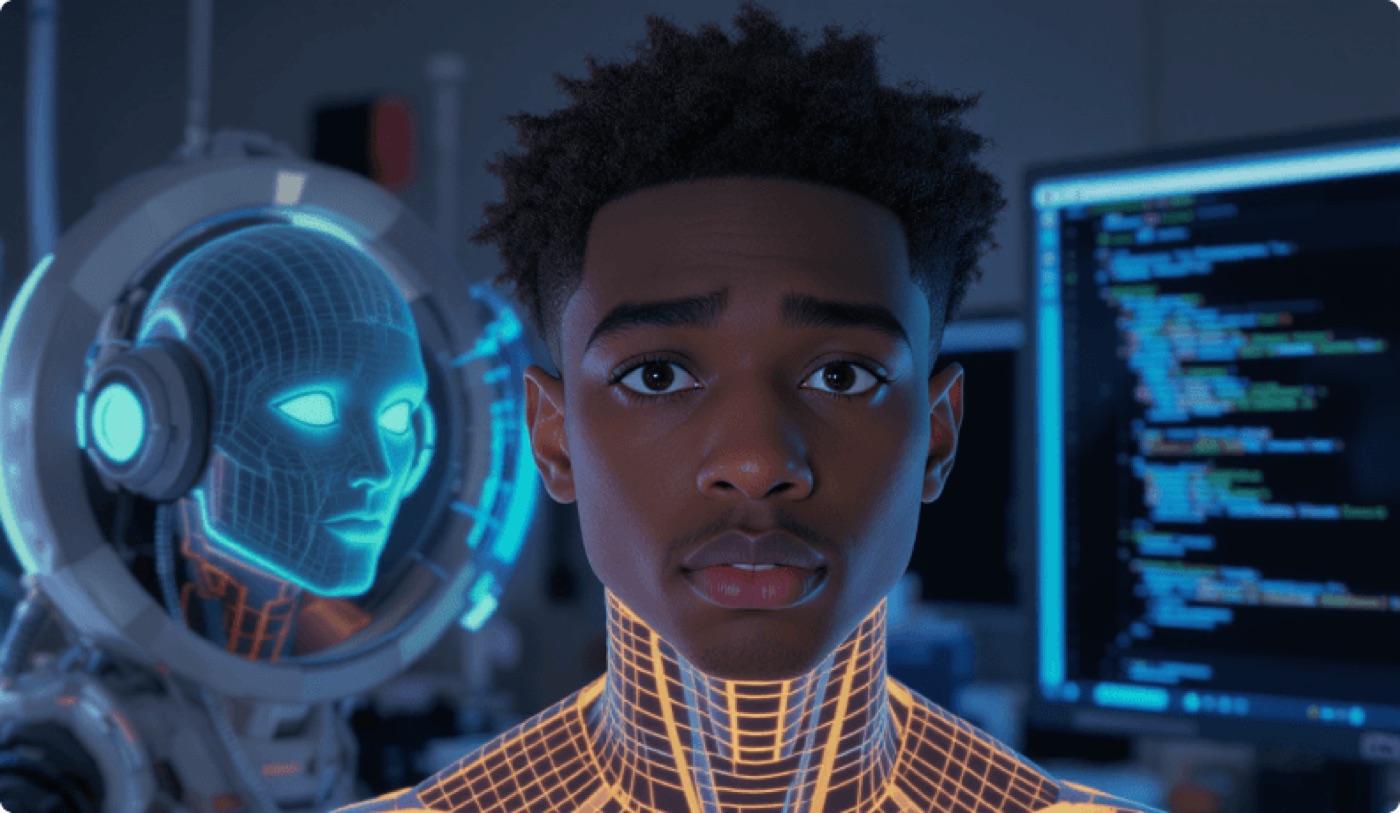
How CGI Production Is Evolving, And What It Means For Brands
CGI is no longer just for movies or high-end commercials. It’s becoming a practical tool for digital content, helping brands create faster, more adaptable visuals. From AR filters to surreal TikTok videos and product renders that replace photoshoots, CGI is being used in more flexible, modular ways that match the pace of online culture.
This shift is already changing how studios work, not in theory but in daily production. Between now and 2027, we believe a new kind of CGI will take shape. It will be built around speed, adaptability and cultural relevance.
From Concepts to Visuals - In Hours
AI is Reshaping CGI WorkflowsIn the next two years, AI will likely be present in nearly every step of CGI production. It already supports texture generation, motion cleanup and rigging. What used to take days can now be prototyped in a few hours.
At WHY CGI, we use AI to move quickly without losing creative intent. We bring it in early, during the concept phase, to test visual directions and align with clients before production begins. That saves time and opens up space for more detailed creative work.
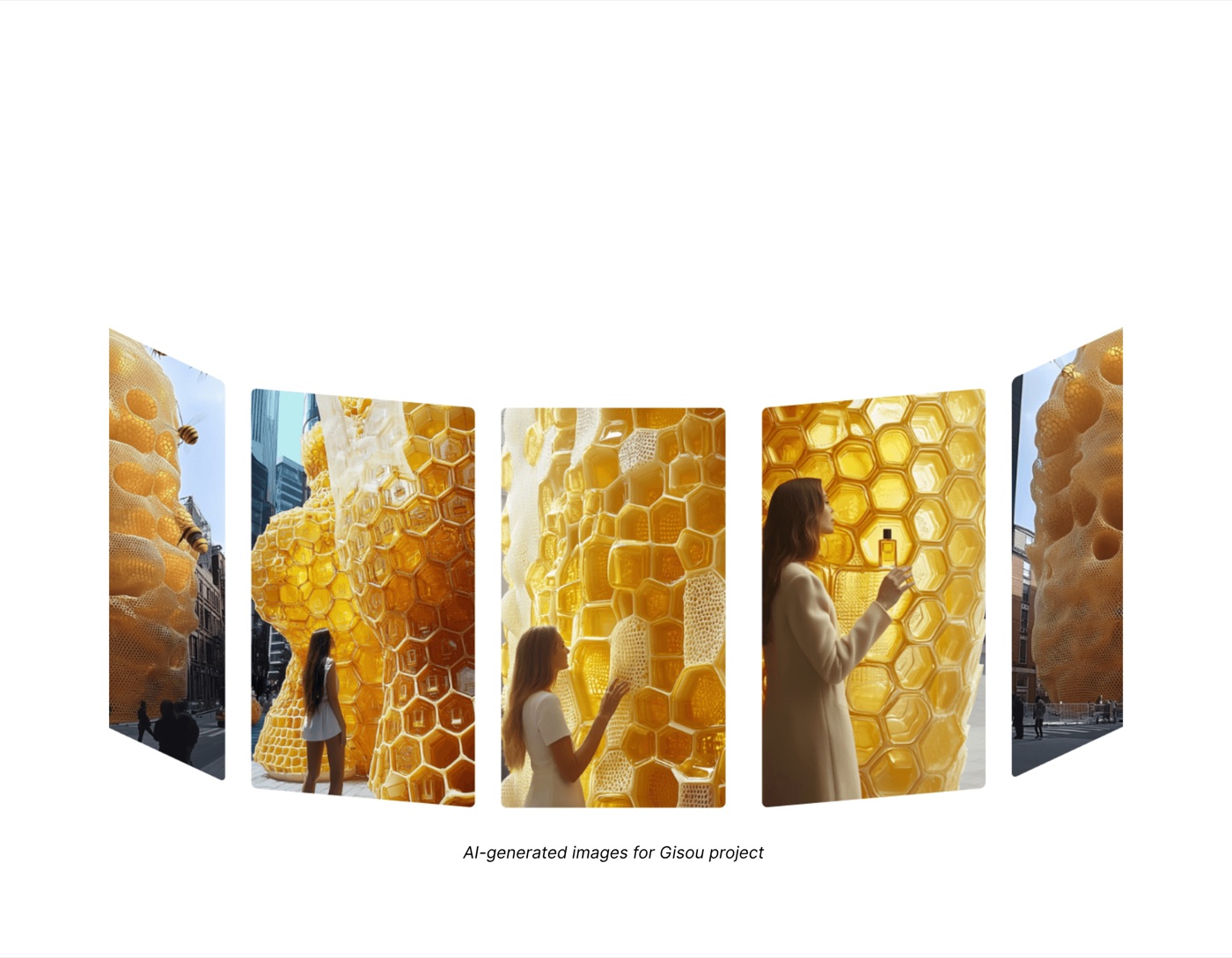
In a recent campaign for Gisou, we used AI to visualize the transformation of Manhattan’s Vessel into a giant beehive. The concept was ambitious. AI helped us show it clearly and get early approval, which gave us more time to focus on animation and visual polish.
When used this way, AI doesn’t simplify the work, it clears the runway for it.
Remote Studios Are Becoming the Norm
The next generation of CGI teams will be remote by design. The tools are ready: asset management, asynchronous feedback, version control.
All of it now works across time zones.
Our team is spread across several countries but operates as a single creative unit. What holds it together is not rigid process but shared culture. We hire people who understand the rhythm, references and tone of the platforms we design for. This cultural alignment makes creative decisions faster and output more consistent.
Remote production doesn’t mean fragmented. With the right tools and direction, it means access to more talent, faster turnaround and better results.
CGI Will Be At The Crossroads Of Platforms And Realities
Today, CGI is shaped by how w e scroll. Fast loops and surreal edits outperform traditional formats, so we build modular visuals that match that pace. Timing, clarity, and cultural fit matter more than overproduction.
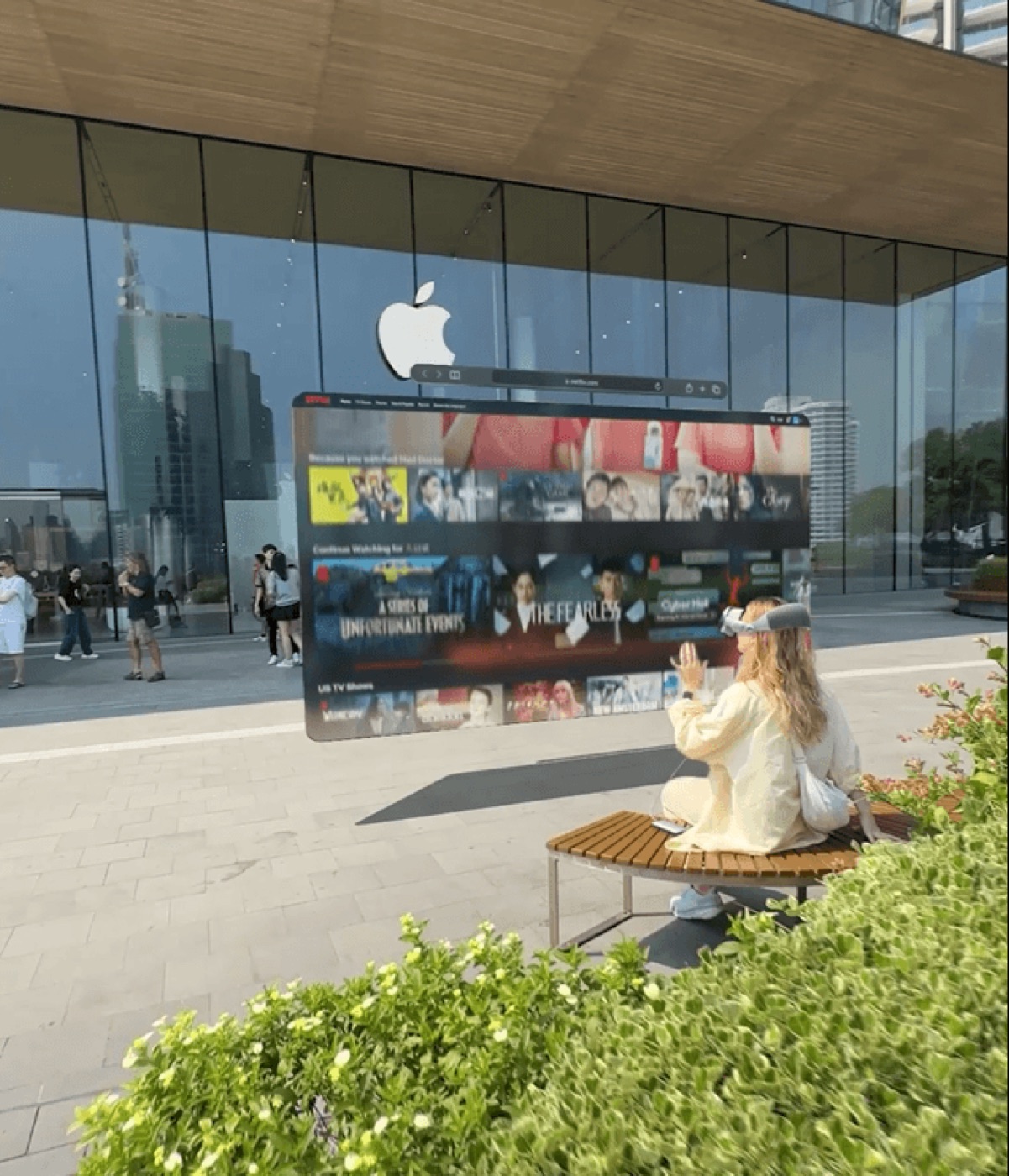
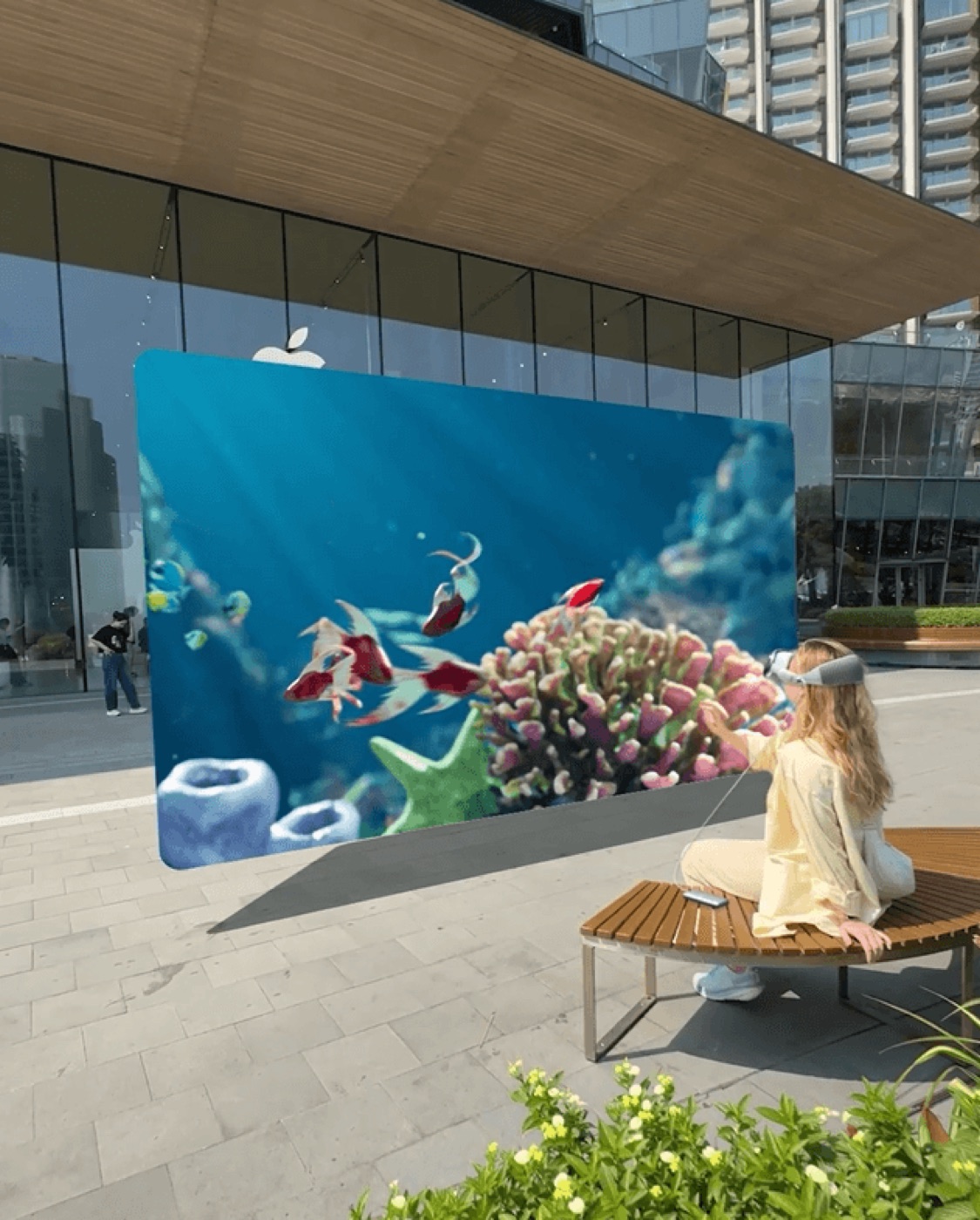
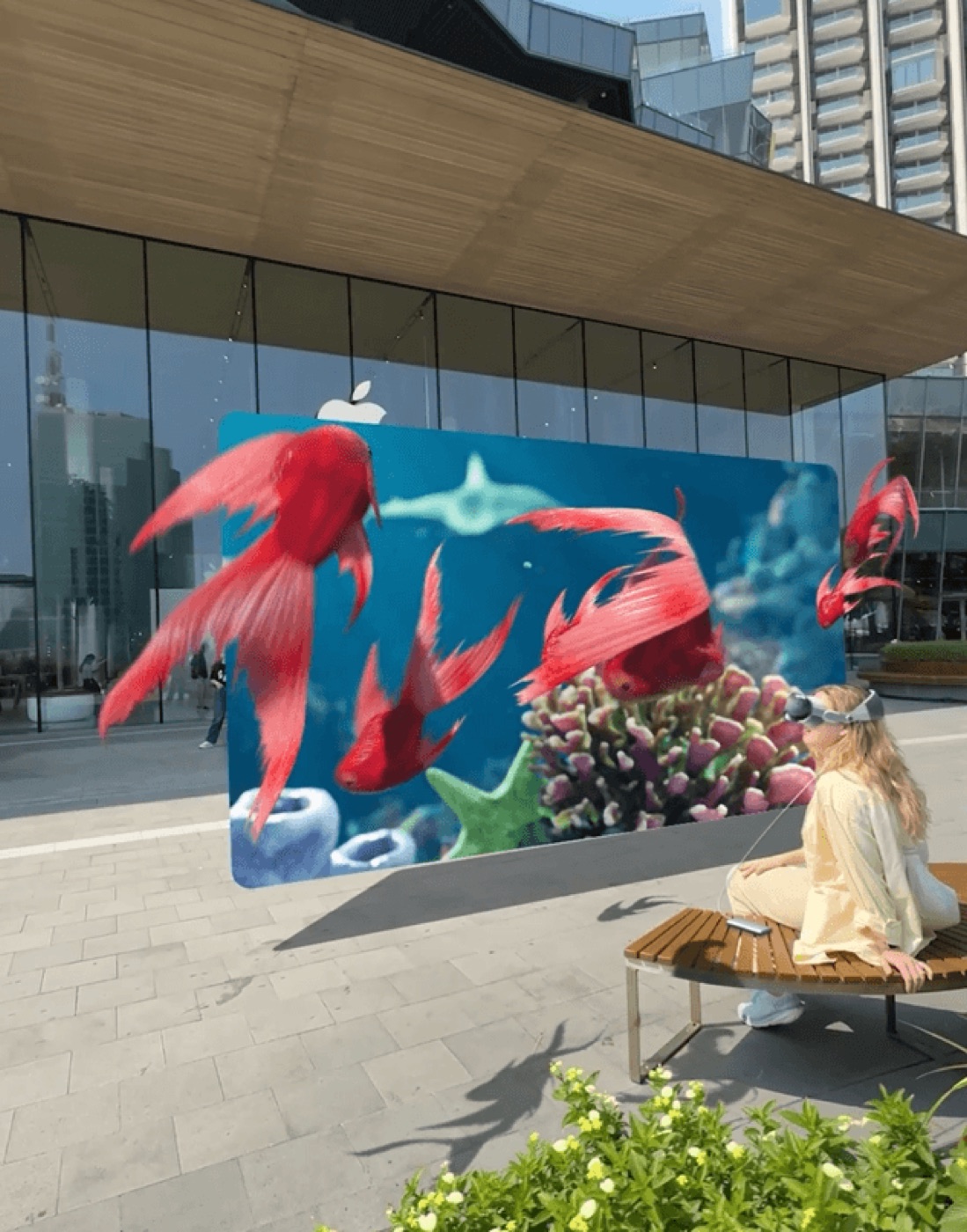
But the next shift is already here. As spatial computing goes mainstream through devices like Apple Vision Pro or AR glasses, CGI will leave the screen and enter the world around us. A poster might react to your presence. A campaign mascot could appear in 3D. By 2027, the value of CGI won’t be in how complex it looks, but in how clearly it connects, how fast it adapts, and how naturally it fits into the way people live, scroll, and move.
More to read
Keep reading.
 The NYX giant inflatable duck: a real inflatable, a CGI landing and a QR code
How we built a NYX campaign around a giant inflatable duck: a real inflatable on the street, a CGI film of it flown in by helicopter, and a QR code linking both.
 How to choose a CGI studio (and what to ask before you sign)
Every CGI studio's reel looks good at reel speed. Here is how to tell which one will actually deliver your product film: the questions to ask, the files to request, the red flags, and what a fair quote should contain.
 What is FOOH? Mixed reality CGI, explained for brands
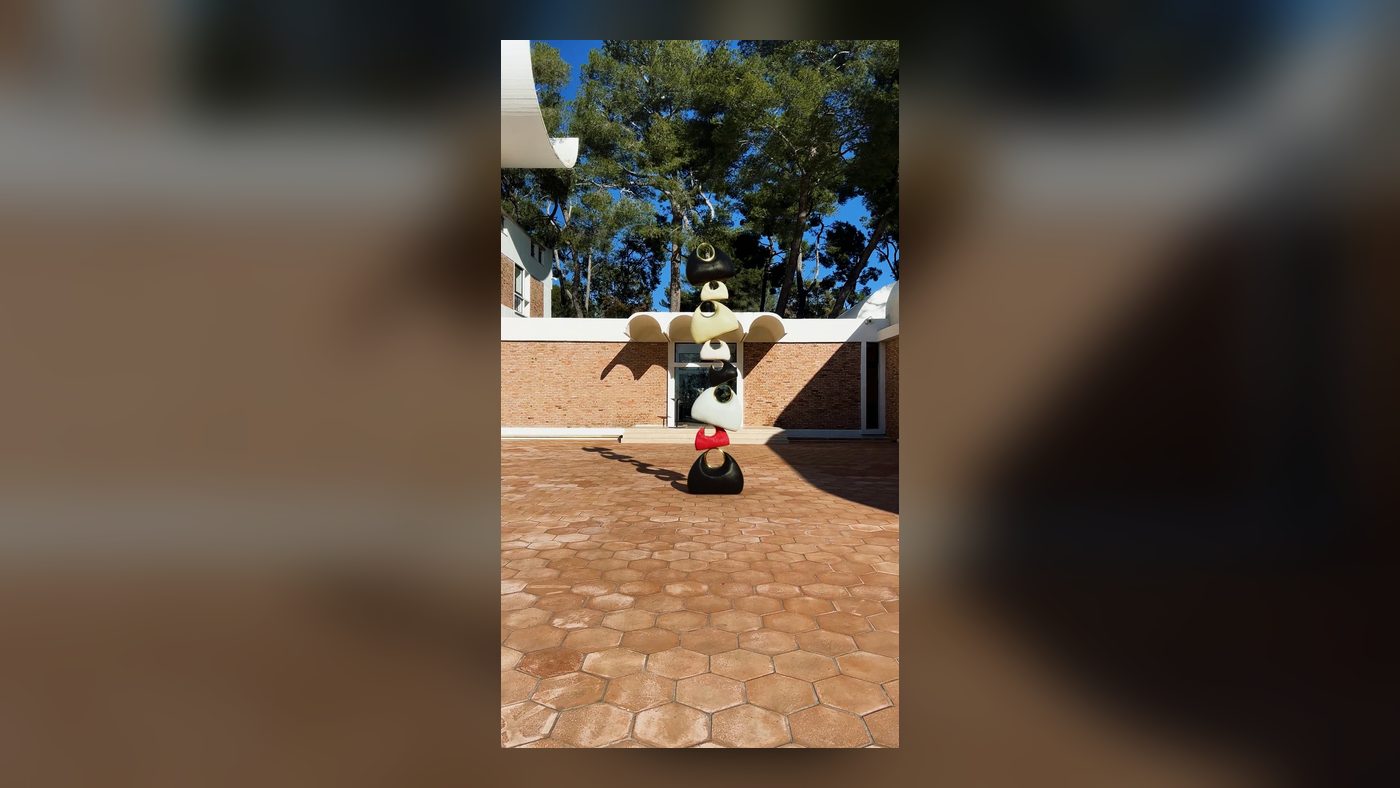
FOOH, fake out of home, is the format where a giant product appears on a real street and nobody can tell it was never there. How it is made, why it travels, what it costs compared with a real installation, and when not to use it.