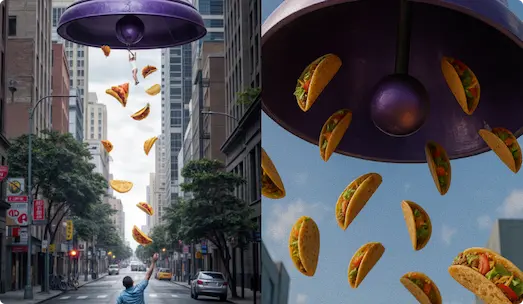
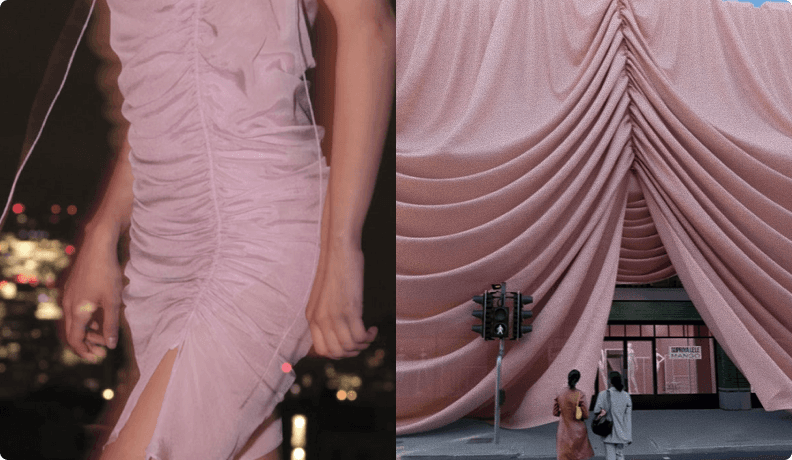
A mixed reality CGI scene of a glowing dome-shaped skincare product capsule labeled "Ripe and Ready to Glow" displayed on a city sidewalk, flanked by a close-up of fresh peaches on the left and a blurred urban street scene on the right.

26 January

·

12 min read

AI vs. Full CGI vs. Mixed Reality

Not all CGI works the same way. Let's look into the real differences between AI-generated ads, Full CGI and Mixed Reality — and when each one makes sense for brands today.

Which Advertising Approach Is Right for Your Brand?


AI-generated visuals, Full CGI and Mixed Reality campaigns are everywhere right now. Many brand leaders are still trying to understand which approach actually fits their goals. The confusion is understandable. While these options can look impressive on the surface, they solve very different business problems.

What’s changed is how mainstream they’ve become. Even traditionally conservative brands that relied on classic production methods for decades now use CGI and digital visuals across their social channels. That’s simply the reality brands operate in today.

The right choice is about aligning your production approach with what you want to achieve — speed, scale, control or impact.

1. Mixed Reality Advertising: Maximum Visibility and Social Impact

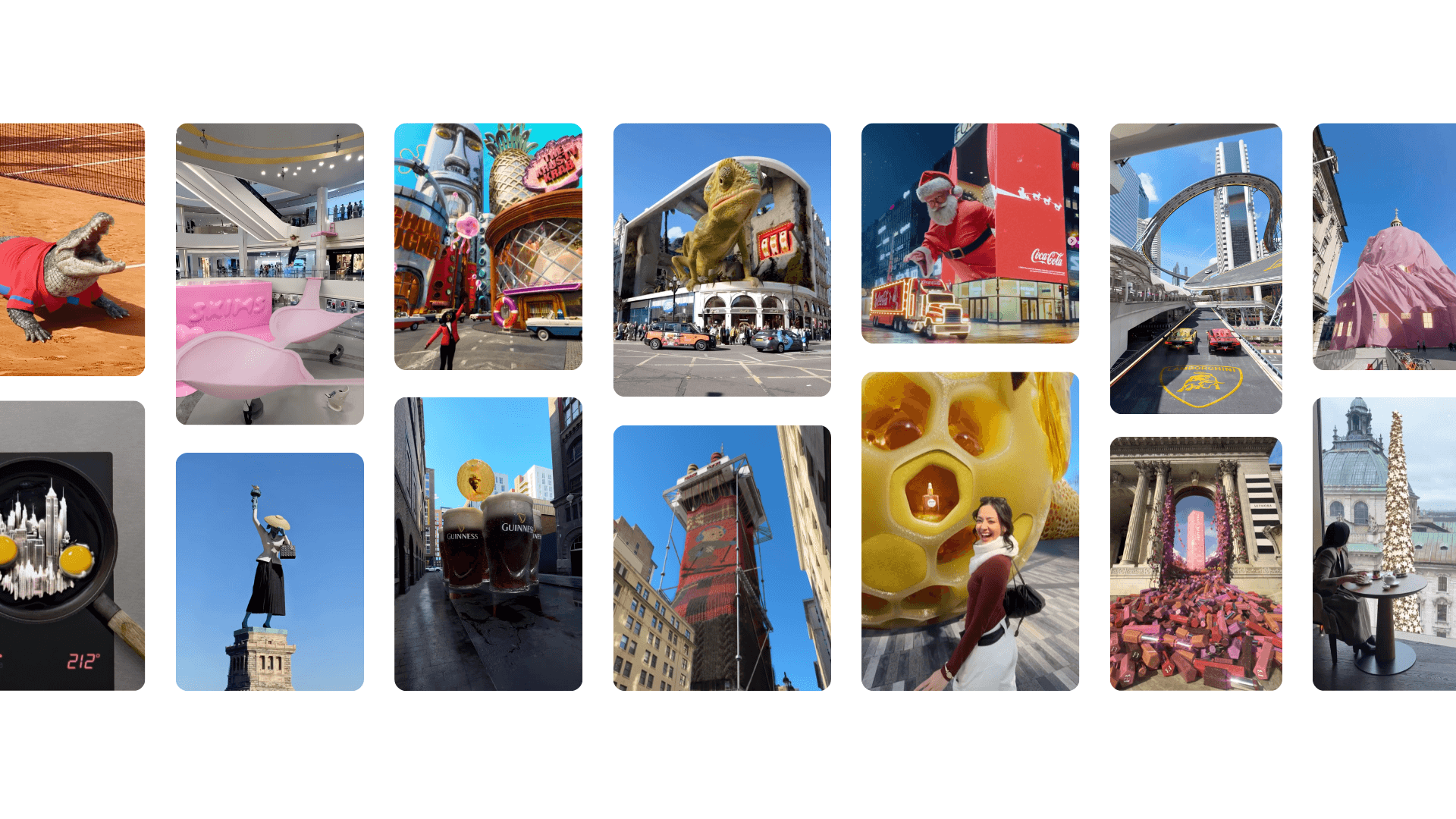
Mixed Reality advertising sits at the intersection of physical and digital. By placing CGI objects or environments into real-world settings, these campaigns create visuals that feel unexpected, immersive and highly shareable.

In crowded social feeds, Mixed Reality is especially effective at capturing attention. It performs best in large-scale brand moments, product launches and awareness-driven campaigns where visibility and engagement are the primary goals. By introducing products or services in surprising real-world contexts, Mixed Reality allows brands to reveal something new in a way that is both instantly understandable and impactful.

That said, Mixed Reality is not simply “CGI on top of footage.” It requires careful planning, strong execution and a clear creative idea. Without a solid concept, Mixed Reality can quickly become flashy but shallow.

Designed for the way people consume content today, fast, distracted, and constantly scrolling, Mixed Reality relies on a strong visual hook and a well-timed unexpected twist, often delivered within 10 seconds. When executed well, the results are outstanding. Several Mixed Reality campaigns we produced this year alone reached over a billion views, proving its effectiveness for brands aiming for mass visibility and cultural reach.

From this standpoint, Mixed Reality is the right choice when the objective is to stop the scroll, spark conversation and drive engagement to the brand.


Takeaway:
If your goal is reach, engagement and cultural impact, Mixed Reality advertising is one of the most effective tools available today.

Practical advice for marketing teams:
Use mixed reality strategically for moments that need to stand out. Make sure the digital elements serve the story of the brand, and such campaigns turn out to be the best way to boost your visibility and reach the largest audience possible.

Lady Gaga playing piano

2. Full CGI Advertising: Total Creative Control and Premium Visual Quality

Full CGI advertising remains the gold standard when brands want complete control over how their product looks and feels. Unlike live-action shoots, CGI isn’t limited by physical locations, lighting conditions or production logistics. You can design the exact environment, mood and style you want, and reconstruct it perfectly across different markets.

Full CGI truly enables brands to balance realism with imagination: showing products as close to real as needed, while surrounding them with fantasy environments that reinforce brand positioning and emotional perception.

For product-focused brands, for example tech or beauty, CGI often delivers visuals that are not just realistic, but better than reality. It’s also frequently more cost-effective than traditional shoots once you factor in travel, reshoots, studios / props and global adaptations.

Most importantly, CGI assets are reusable. A single production can power multiple campaigns, formats and platforms over time.

In terms of engagement, Full CGI advertising tends to deliver consistent performance rather than explosive reach. At WHY CGI we always aim for highly polished but still unexpected with Full CGI projects. Balance of these factors makes such campaigns a strong fit for social feeds, but the focus is typically on product perception and brand precision rather than virality.

Besides, Full CGI advertising offers greater flexibility across formats. In addition to performing well on social platforms, CGI assets can easily be used in more traditional placements such as TV commercials, digital out-of-home and large-scale billboards, where visual precision is critical.


Takeaway:
If your brand needs high-end visuals with flexibility and long-term value, Full CGI advertising is still one of the smartest investments you can make.

Practical advice for marketing teams:
Choose Full CGI when engagement needs to reinforce brand polish and visual image, not chase virality. It’s most effective when the goal is to elevate perception through precise, controlled visuals.

Lady Gaga playing piano

3. AI Ads: Speed and Cost Efficiency Above All

Creative AI has evolved at an extraordinary pace. What looked obviously artificial just a year ago has changed dramatically, and the latest AI-generated visuals now often difficult to distinguish from real footage. Especially in fast-scrolling digital space like social feeds.

This rapid improvement has made AI ads one of the fastest ways to produce large volumes of visual content. Brands can move from idea to execution in a fraction of the time traditional production usually requires. This makes AI particularly attractive for fast-moving teams and social-first campaigns where speed outweighs polish.

That said, AI still comes with limitations. Maintaining consistency, controlling fine brand details and achieving precise creative direction can be challenging. For premium products or highly regulated industries, these factors can be critical.

From an engagement perspective, AI ads can perform across a wide spectrum. Depending on the concept, they can support both broad reach and more focused storytelling. The key is control. Brands tend to see the strongest results when they work with concept-led creators and studios that know how to guide AI tools still focusing on the idea behind the visuals.


Takeaway:
If your priority is speed and cost efficiency, AI ads are a powerful option. But they work best when expectations are realistic and you trust your creators.

Practical advice for marketing teams:
Use AI for rapid experimentation, early concepts and high-volume content.


Choosing the Right Approach

There’s no single “best” option between AI, Full CGI and Mixed Reality campaigns. Each serves a different role within a modern marketing strategy.


  • Need speed and efficiency? AI ads are the fastest route.

  • Need premium visuals and full control? Full CGI advertising delivers long-term value.

  • Need attention and large-scale engagement? Mixed Reality is the best for visibility-driven campaigns.

The brands today are building flexible production strategies that allow them to use each approach intentionally, based on goals, timelines and audience expectations.

Don’t use new tech just because everyone else does. Use them if it’s helping your brand move faster, look better and communicate with modern audience more clearly.

WHY CGI